
For small firms, marketing success is more about doing the right things regularly than it is about doing everything at once. Many companies struggle because they don’t track results, run campaigns haphazardly, and post at random(Monthly Marketing Plan for Small Businesses). A well-structured monthly marketing plan solves this problem by giving clear direction and helping you stay consistent. This article will teach you how to develop a straightforward and successful monthly marketing strategy that will support the steady growth of your company.
Why You Need a Monthly Marketing Plan
You can maintain concentration and organization by creating a monthly marketing plan. You organize your actions ahead of time rather than making decisions at the last minute. This saves time and ensures that your efforts are aligned with your business goals.
Additionally, it helps you stay consistent, which is one of the most crucial aspects of digital marketing. Your audience begins to recognize and trust your brand when they witness consistent engagement and content.
Step 1: Define Your Goals
Establishing specific targets is the first stage in your monthly strategy. Your marketing efforts will be aimless if you don’t have goals.
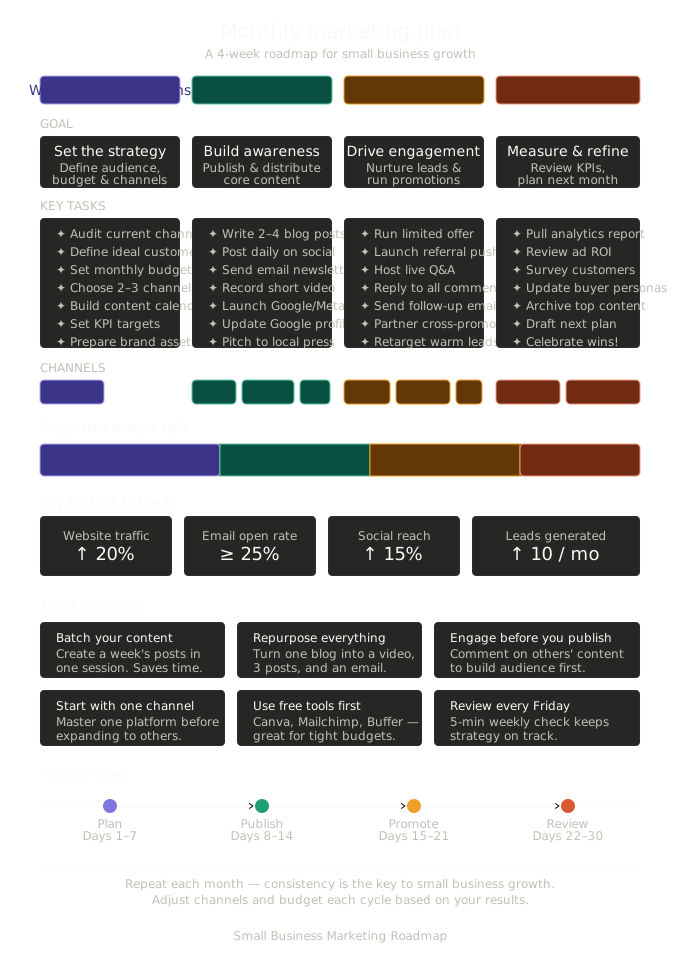
Increasing website traffic, producing leads, enhancing social media engagement, or increasing sales are some examples of your objectives. Make sure your objectives are quantifiable and precise. For example, instead of saying “increase traffic,” aim for “increase website visitors by 20 percent this month.”
Having specific goals makes it easier to gauge your progress and maintain concentration.
Step 2: Understand Your Audience
Your target market should be the foundation of your marketing strategy. You must comprehend your clients’ needs, identities, and online behavior.
Think about their problems, interests, and tendencies. Find out which platforms they use most frequently and what kinds of content they engage with. Understanding your audience will enable you to create material that appeals to them and yields results.
Step 3: Plan Your Content in Advance
Content is the backbone of your marketing strategy. Preparing your content ahead of time guarantees uniformity and saves time.
Make a variety of posts that are informative, instructional, promotional, and interesting. You can provide advice, how-to manuals, industry news, client endorsements, and exclusive deals, for instance.
A simple monthly plan can include:
- 12–16 posts on social media
- Four blog posts
- 4 to 8 short videos
Choose a schedule that you can maintain consistently rather than trying to do too much.
Step 4: Create a Weekly Schedule
Your monthly plan is easier to manage if you divide it up into weekly responsibilities. Additionally, it avoids misunderstanding and tension at the last minute.
For example:
Week 1: Concentrate on producing content and starting a blog
Week 2: Make videos and interact with viewers
Week 3: Run a promotional campaign or offer
Week 4: Analyze performance and plan improvements
This structured approach helps you stay organized and productive.
Step 5: Focus on SEO
Long-term growth requires search engine optimization. It increases organic traffic to your website and improves its search engine ranking.
Incorporate SEO duties like researching keywords, creating optimal blog posts, and replacing outdated content each month. Make sure your website loads quickly and is easy to use.
Although it takes time, SEO yields reliable benefits without continuing expenses.
Step 6: Stay Active on Social Media
Social media is one of the best ways to interact with your audience. Post on a regular schedule instead of at random.
Post regularly and use a range of formats, such as images, videos, and short posts. To engage your audience, reply to messages and comments. This promotes trust and fosters connections.
Instead of merely marketing your company, concentrate on producing high-quality content that adds value.
Step 7: Engage With Your Audience
Developing connections is more crucial to marketing than just sharing content. Keep your audience interested for a considerable amount of time.
Take part in discussions, answer questions, and offer feedback. You can also connect with businesses and other creators in your niche.
Engagement makes you more visible and builds a loyal following around your brand.
Step 8: Run Small Campaigns
Even with a limited budget, you can start small marketing campaigns every month. Examples include free consultations, special offers, and discounts.
To promote these projects, use your website, social media, and email marketing. Campaigns inspire individuals to take action by creating a sense of urgency.
Step 9: Track Your Results
Monitoring your performance is crucial to determining what is and is not functioning. Keep an eye on leads, conversions, social media interaction, and website traffic.
Utilize this information to pinpoint effective tactics and areas in need of development. This aids in your future decision-making.
Step 10: Improve and Repeat
Evaluate your performance and make changes at the end of the month. Determine what was successful and what wasn’t.
Make a better plan for the upcoming month using these insights. The secret to success in marketing is constant development.
Conclusion
For small businesses looking to grow steadily, a monthly marketing plan is crucial. It helps you save time, maintain organization, and concentrate on tasks that provide outcomes. (Monthly Marketing Plan for Small Businesses)
A big budget is not necessary for success. You may develop a great web presence and draw in more clients with careful planning, persistent work, and frequent enhancements. Begin with a basic strategy, maintain consistency, and never stop learning. Your marketing initiatives will eventually result in consistent and long-lasting growth.