

Accessing a personal account at Bizzo Casino entails more than simply providing a username and password set. Every successful authentication login, rejected login, password reset, and critical account change is methodically recorded on the platform’s backend. Knowing how to view and interpret the login history and activity log functions as a foundational practice for maintaining strict account safety. This log delivers a transparent audit trail that permits users to check that no unapproved party has tried to breach their login details or interfere with their active session while real funds balances and confidential personal data remain protected behind the platform’s encryption protocols.
Monitoring Device and Session History
Beyond the chronological event stream, a dedicated session management panel presents currently active and recently terminated sessions. Each logged-in instance bears a descriptive label identifying the device model, the browser engine, and the approximate location based on network mapping. If a user logs in from a desktop in Amsterdam and later observes a concurrent mobile session active from a different continent, the timeline exposes the intrusion instantly. The interface provides a one-click termination button to remotely log out a suspicious session. Terminating a rogue session instantly cancels the authentication token, forcing the intruder to re-authenticate, a feat impossible without the updated credentials or second factor.
An exhaustive list of previously authorized devices resides within this module. Users often grant “Remember This Device” permission on personal laptops, thereby adding a persistent token to the system. The activity log records each remembered device’s creation date and last use. If a device is lost or sold, removing its trusted status from this panel nullifies the stored token without requiring a full password reset. This granular control broadens the security perimeter beyond mere password strength. By cross-referencing the device list with the login log, a player can determine whether an old, forgotten tablet still holds an active authorization key to the account.
Validating Account Documentation and Identity Checks
The Know Your Customer procedure aligns tightly with the activity timeline, leaving audit entries that a careful user can track. When a withdrawal activates a verification request, the system requires an upload for a government-issued photo ID, a recent utility bill, and potentially a front-and-back photograph of the payment card used for deposits. Each upload attempt is recorded whether approved or rejected. A rejection entry in the activity feed clarifies the precise reason, such as a blurry image or an expired document, allowing the user to rectify the issue swiftly. Absence of these log entries indicates the documentation queue has not yet been processed.
A fully verified account status enables unrestricted access to the cashier. The log registers a “Documents Approved” milestone, effectively upgrading the trust tier internally. From this point forward, any request to change the registered home address requires a fresh re-verification, a change that itself is logged and flagged for manual compliance review. For players who value transparency, this integration means that the status of a payment hold is never a mystery. They can see precisely where they are in the verification pipeline. The immutable nature of these compliance logs protects both the operator and the user in case of future disputes.
Comprehending the Dashboard Activity Stream
Within the account cabinet, the activity log is displayed as a chronological stream of events, not as a static unchangeable list. Each row constitutes a discrete action and carries a precise UTC timestamp down to the second, a classification tag, and a truncated IP address for privacy compliance. The interface allows a player to filter the feed by date range or by specific action categories. Users watching their security posture closely can isolate “Authentication” events to see every login attempt from the last thirty days. This tool removes the guesswork often associated with shared devices or public Wi-Fi usage and brings total transparency.
An entry marked “Login Successful” logs the browser version and operating system. If a rival entry appears marked “Login Failed” with an unrecognized geographic indicator, casino bizzo, the account holder obtains an immediate signal that a credential-stuffing bot may be targeting their email. The log also documents sensitive administrative actions such as updating a linked phone number or modifying the primary email. Any alteration to the account’s fundamental identity structure is permanently inscribed here, providing a forensic trail. Regularly scanning this stream changes a passive user into an active guardian of their own digital funds and personal data integrity.
Using the Sign-in Interface Effectively
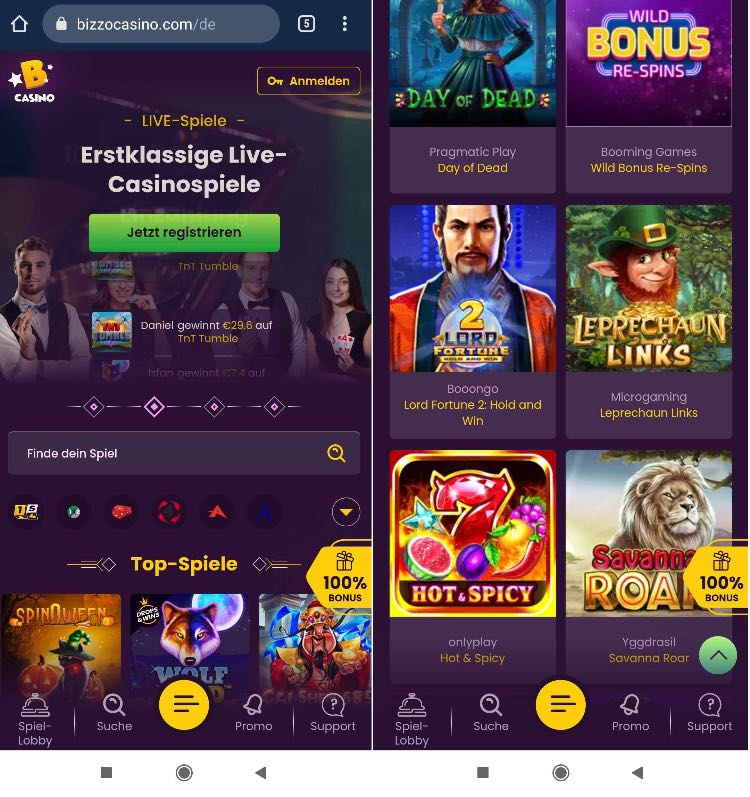
The sign-in portal is built with a minimalist aesthetic to minimize cognitive load, displaying only the essential email and password fields on the primary interface. A member returning to the site should personally type the target URL or use a bookmarked bookmark to bypass phishing domains that copy the branding. Once the credentials are entered, the system calculates a cryptographic hash of the password to match against the stored database record without transferring the secret in plain text. The interface offers a toggle option to show the typed password, a tool useful for mobile users whose keyboards may cause capitalization errors. Successful authentication opens the gateway to the personal cabinet.
Directly beneath the form fields, a “Forgot Password” recovery link is placed. If a session expires because of long inactivity, the system routes automatically back to this portal, requesting a fresh sign-in. The login page also detects en.wikipedia.org whether a user is connecting from a previously recognized device. If the digital fingerprint is unknown, an adaptive risk engine may activate an additional verification step before permitting entry. This silent analysis happens within milliseconds and directly inserts a device recognition entry into the activity log, labeling the event as a routine authentication or a high-risk anomaly requiring reviewing later.
Registering Your Bizzo Casino Account Safeguarded
The journey toward a comprehensive activity log starts with a meticulously completed registration. A new visitor must click the sign-up button and supply precise personal identifiers comprising a full legal name, a valid email address, and a mobile phone number. The system checks this data during the initial validation phase. Entering falsified details during this step will certainly create friction later when the withdrawal team requests reddit.com identity verification documents. A unique password mixing uppercase letters, numeric values, and special characters needs to be generated to establish the first marker in what will become a comprehensive historical record of account interactions tracked by the server.

Upon submitting the registration form, the platform sends a verification link or a one-time code to the provided contact channel. Activating the account through this confirmation step is required and acts as the first manual approval in the user’s lifecycle timeline. Without opening the activation email, the profile stays in a suspended state and is unable to accept deposits. This initial handshake validates that the email address belongs to the user and captures the exact timestamp of confirmation. Finalizing this step fills the nascent activity log with the registration IP address, device type, and browser fingerprint, establishing a baseline profile for future security correlation checks.
Setting up Two-Factor Authentication for Enhanced Log Integrity
Two-factor authentication introduces a cryptographic time-based one-time password layer that significantly changes how login history entries are recorded. Activating this feature within the safety settings compels the server to demand a secondary token after the primary password validates successfully. The activity log then captures a two-stage event chain, where a correct password but a missing or late token produces an “Incomplete 2FA” flag. This distinction is essential because it demonstrates the primary credential was breached yet the secondary barrier remained intact, giving the genuine owner time to change the password before a full perimeter breach occurs.
Implementing two-factor authentication requires scanning a QR code with an authenticator application or registering a hardware security key. Once enabled, the login log will show a lock icon next to authenticated sessions, confirming the session was protected. A user can review past entries to ensure no session skipped the second factor. In the rare event of a phone theft or authenticator app failure, the stored backup recovery codes become the sole override method. The utilization of any single backup code is recorded as a high-severity event in the log, recording the exact date and time the emergency recovery channel was utilized.
Auditing Financial Transactions In the Log
The activity tracker expands its reach deep into the cashier module, successfully merging security events with financial state changes. A deposit request triggered via iDEAL or an e-wallet creates a pending transaction marker. When the funds settle and become available in the casino wallet, the log documents a success event accompanied by a unique transaction hash. Should a deposit timeout or fail due to insufficient bank balance, a distinct failure entry appears. This granularity guarantees that a player never needs to chase support for a basic status update. The answer to where funds are located is always printed clearly in the chronological feed for immediate reference.
Withdrawal requests go through an even more detailed documentation process. The log captures the request submission, the internal queue position, the compliance review outcome, the payment processing timestamp, and the final completion notice. Any cancellation of a pending withdrawal by the player while it is in the reversible queue also receives its own log line. This transparency erases the anxiety often associated with waiting for payouts. By scrolling through the transaction history alongside the login history, an account holder can connect large payouts with specific session timestamps, verifying that no financial action occurred outside of their remembered active login sessions.
Maintaining a routine of reviewing the login history and activity log turns account maintenance into a proactive defense mechanism rather than a reactive scramble after noticing missing funds. The wealth of timestamped data, from registration verification through two-factor challenges to final withdrawal settlements, provides a full narrative of account ownership. Bizzo Casino provides the instrumentation necessary to audit every digital interaction, and the vigilant player who leverages these tools builds a fortress-like posture around their entertainment budget. Reading the log quarterly, if not monthly, is a minimal investment for maximum account integrity.